Where to Get Your Rug Cleaned in the Seattle Area
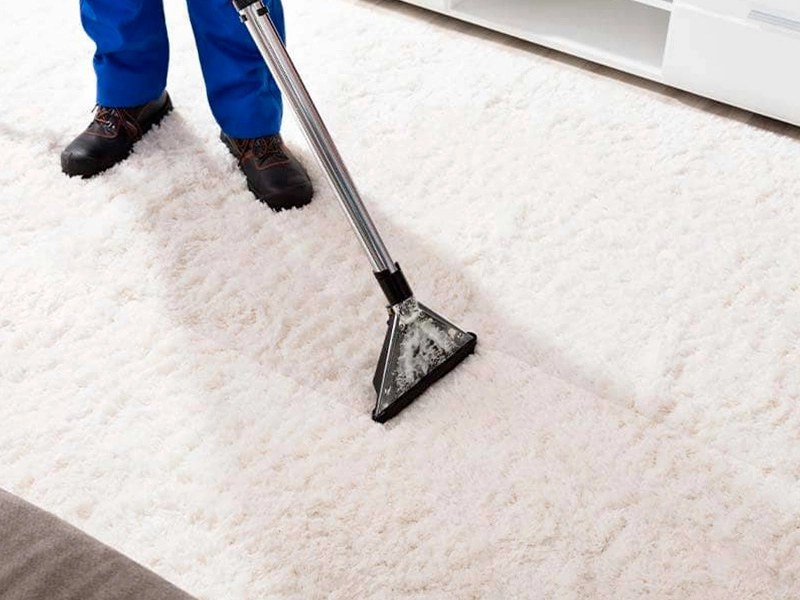
Figuring Out What Your Rug Actually Needs
"Where can I get my rug cleaned?" usually comes up after one of two things happens: either there's a stain or odor that vacuuming hasn't fixed, or it's just been a long time — sometimes years — since the rug was actually deep cleaned, as opposed to vacuumed. Both are good reasons to look into professional cleaning, but they call for slightly different things, and it's worth knowing which situation you're in before you start calling around.
A rug that just needs routine maintenance — removing years of accumulated dust, dander, and oils from foot traffic — is a fairly standard job for most professional cleaners. A rug with a specific stain, pet odor that's worked into the backing, or anything that's an antique, hand-knotted, or made from natural fibers like wool, silk, or jute is a different conversation, because the wrong cleaning method on those materials can cause real, sometimes irreversible damage.
In-Home Cleaning vs. Pickup and Drop-Off
Most professional rug cleaning falls into one of two categories, and each has real tradeoffs:
| Method | Best For | Tradeoffs |
|---|---|---|
| In-home cleaning | Wall-to-wall carpet, large area rugs that are difficult to move, or households that need the rug back the same day | Drying takes longer at home without industrial equipment; deep, set-in stains and odors are harder to fully resolve in place |
| Pickup, plant cleaning, and delivery | Wool, silk, antique, or hand-knotted rugs; rugs with significant pet odor or staining; rugs that need to fully dry before being walked on | Takes longer — typically several days to a couple of weeks depending on the rug and the backlog |
If a rug is a normal synthetic area rug used in a living room with kids and pets, in-home cleaning is usually fine and more convenient. If it's a wool or antique piece, or has a persistent odor problem, it's worth asking specifically whether the service can do off-site cleaning — submersion cleaning, which is really the only way to fully flush contaminants out of a rug's foundation, isn't something that can be done in a living room.
What to Ask Before Booking
Questions Worth Asking
- Do you identify the fiber type before cleaning, and how does that change your approach?
- Can you do a small test spot in an inconspicuous area before cleaning the whole rug?
- How do you handle pet odor that's reached the rug's backing?
- What's your process for wool, silk, or antique/hand-knotted rugs specifically?
- Roughly how long will drying take, and is that affected by the season?
Why These Matter
A service that can answer these without hesitation has likely dealt with a wide range of rugs and knows that "deep cleaning" isn't one-size-fits-all. Fiber identification matters because wool and silk react differently to heat, moisture, and pH than synthetic fibers — using the wrong combination can cause shrinking, color bleeding, or permanent texture changes that aren't reversible afterward.
What a Proper Cleaning Actually Involves
- Inspection and fiber identification. Determining what the rug is made of and noting any existing damage, repairs, or color instability before anything else happens.
- Dusting. A thorough shake-out or controlled dusting process to remove dry soil — this alone can remove a surprising amount of weight in dust from a rug that hasn't been deep cleaned in years.
- Pre-treatment. Targeted treatment for specific stains or odor sources, matched to both the stain type and the fiber.
- Washing. For most rugs that can handle it, this means a full wash — either submersion (for plant cleaning) or controlled wet cleaning appropriate to the fiber.
- Rinsing. Removing all cleaning agents fully — leftover residue is one of the most common causes of rugs re-soiling quickly after cleaning.
- Drying. Controlled drying, ideally with airflow on both sides of the rug, to avoid any extended dampness that could lead to mildew, especially in thicker or wool rugs.
DIY Spot Cleaning vs. Professional Deep Cleaning
Spot-cleaning a fresh spill at home is reasonable and often necessary — the longer a spill sits, the harder it is to remove later. But there's a meaningful difference between spot-cleaning and the kind of deep cleaning a rug needs every year or two:
| Aspect | DIY Spot Cleaning | Professional Deep Cleaning |
|---|---|---|
| What it addresses | Surface spills and visible marks | Embedded dust, dander, oils, and odor throughout the pile and backing |
| Equipment | Household vacuum, store-bought spot cleaners | Commercial extraction equipment, sometimes full submersion washing |
| Risk on delicate fibers | Higher — household products aren't fiber-specific | Lower, when the cleaner correctly identifies the fiber first |
| How often it's needed | As spills happen | Roughly every 12-18 months for most household rugs |
Frequently Asked Questions
What Rug Cleaning Costs in the Seattle Area
Pricing for professional rug cleaning in Seattle and Eastside communities is almost always based on rug size, not a flat per-visit fee. Natural fibers — wool, cotton, silk blends — are priced higher than synthetic rugs because they require more careful handling, lower-moisture methods, and longer drying time. Most in-home cleaning services price by the square foot; drop-off facilities often charge a flat rate by size tier. Get a quote for your specific rug before booking, and ask whether the price includes a pet urine treatment if that's relevant — it typically isn't included in the base rate and makes a significant difference in odor outcome.
| Rug Size | Typical Price Range |
|---|---|
| Small (up to 4×6 ft) | $55–$85 |
| Medium (5×8 ft) | $95–$145 |
| Large (8×10 ft) | $145–$195 |
| Oversized (9×12 ft+) | $195–$275+ |
| Wool or hand-knotted rugs | +20–30% above standard |
| Pet urine enzyme treatment | +$35–$55 |
Need Your Rug Professionally Cleaned?
We clean area rugs throughout the Seattle area, including wool, synthetic, and antique pieces. Get in touch and we'll let you know what approach makes sense for your rug.
Get a Free Quote